

Literacy Programs at Milton Hershey School: Building Readers, Thinkers, and Lifelong Learners
By Christine Halliday, Supervisor of Elementary Core Curriculum
At Milton Hershey School, we believe literacy is more than learning to read. Through comprehensive reading programs, writing instruction, and language arts curriculum, students come to understand themselves, each other, and the world around them while building critical thinking and communication skills.
In Fanny B. Memorial Hall, that belief comes to life every day in classrooms where students are reading, thinking, and talking together through balanced literacy instruction. My work as the Supervisor of Elementary Core Curriculum is grounded in a simple but powerful goal: every child, regardless of background, becomes a confident, capable reader who can access, engage with, and articulate complex ideas.

The Benefits of Literacy Programs
Research affirms what we see in practice. When students are deeply engaged in structured literacy programs, they build stronger vocabulary, improve spelling and phonics skills, strengthen reading comprehension, and develop the background knowledge needed to make sense of new learning across subjects. Just as importantly, they begin to see themselves as readers, writers, and leaders.
Across MHS, our literacy approach is designed to meet students where they are and move them forward with targeted reading support. From pre-K through 12th grade, we provide consistent opportunities for students to read widely, think deeply, and apply their learning in meaningful ways. Our reading intervention supports ensure that students who need additional time and instruction receive it, while our core language arts instruction continues to challenge and grow all learners to read, write, understand, and communicate ideas effectively.
We design reading programs specifically for each grade level that include customizing content, reading lists, and literacy activities to meet the diverse needs and interests of our students, including struggling and advanced readers.
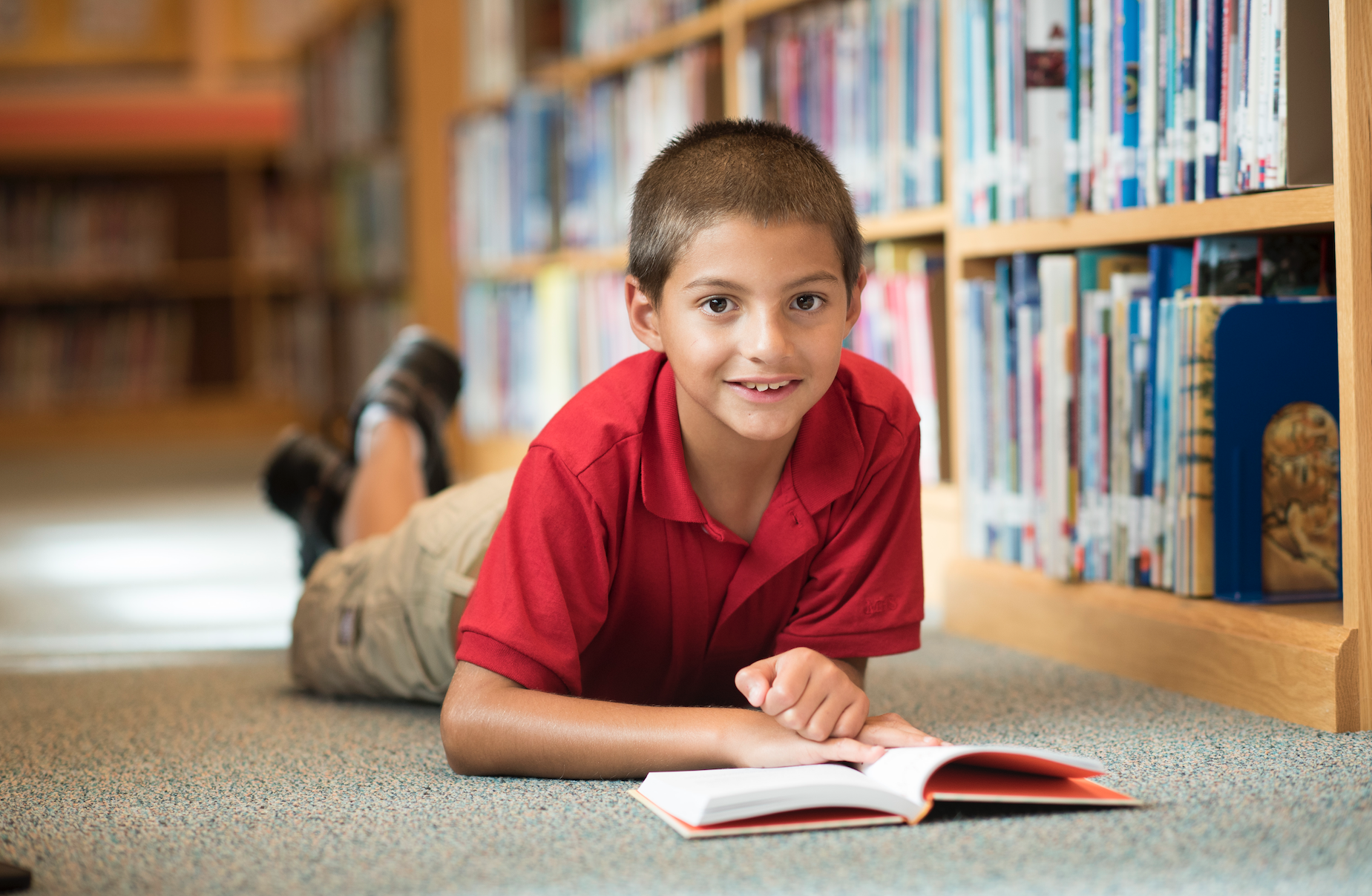
Elementary School
We are intentional about designing learning experiences that feel connected and relevant. In our elementary classrooms, early literacy development extends beyond the page. Students make real-world connections through hands-on experiences, often in partnership with our Agricultural and Environmental Education program. A story about apples becomes an opportunity to explore, create, and learn in a tangible way. These moments deepen comprehension and make learning stick.
Our GO R.E.D. (Go Read Every Day) program reinforces the importance of consistent, daily reading habits throughout the year. Through school-wide events and alumni involvement, students experience reading as something joyful and valued. In our school lobby, our book vending machine has quickly become a favorite, offering students the chance to earn free books as a celebration of their effort, growth, and positive choices. Moments like these help students see reading not as a task to complete, but as something to look forward to, a reward in and of itself, and a habit that can stay with them for life.
Middle School
As students grow, so do the opportunities for leadership and ownership in their literacy. In middle school, our Literacy Leaders program gives students the chance to teach and mentor younger readers, modeling effective reading skills. This work strengthens their own understanding while building confidence and a sense of responsibility.
High School
At the high school level, students continue to expand their literacy skills in a collaborative and supportive environment that prepares them for college and career success. The Learning Resource Center provides access to a wide range of tools and experiences, from research databases to writing support and creative outlets like poetry and performance. Students are not only consuming information; they are creating, questioning, and contributing through essays, research projects, presentations, and other forms of academic writing.
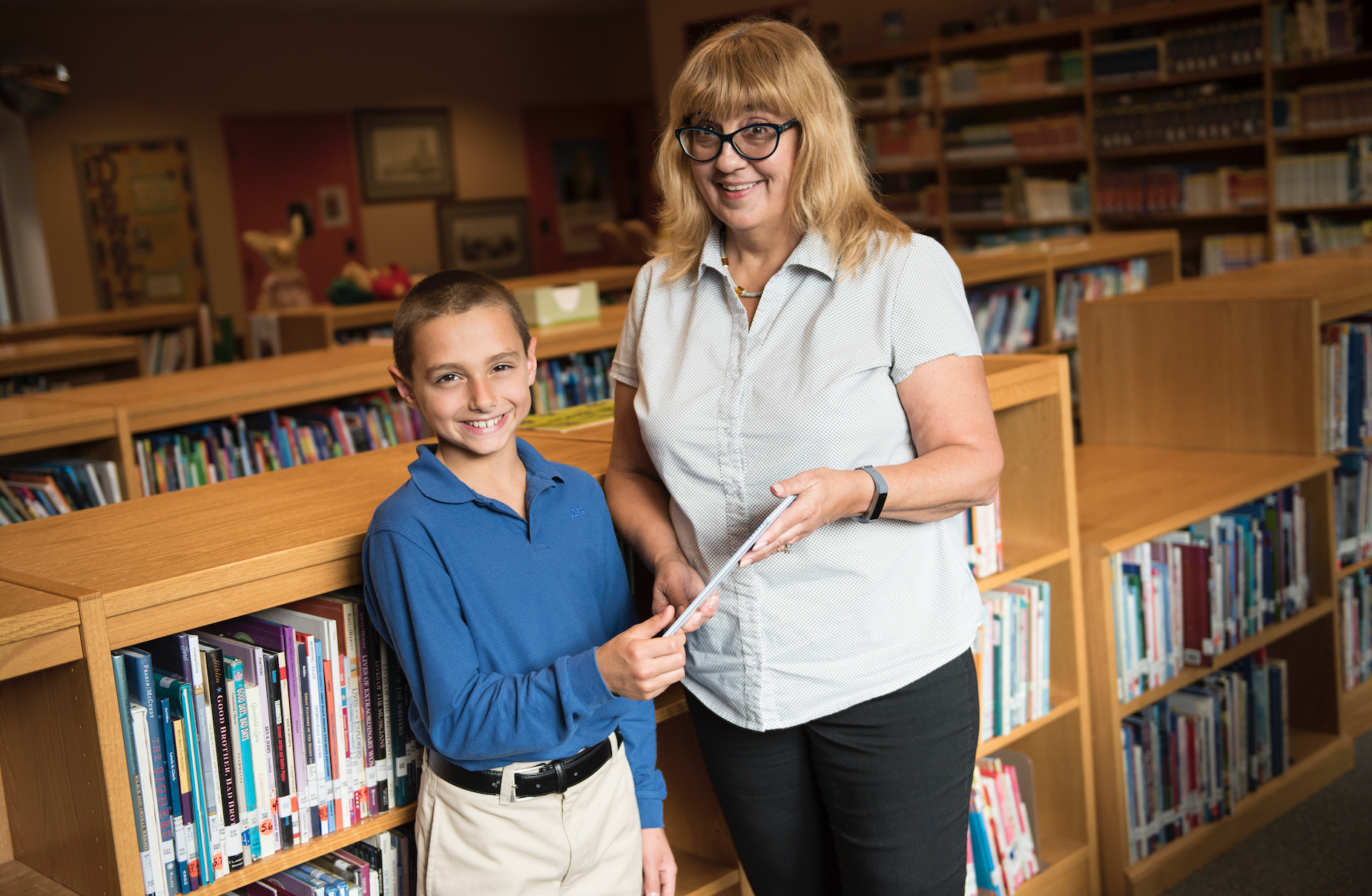
Breaking Barriers Through Literacy
At every level, our educators are thoughtful and intentional in how they design literacy experiences, ensuring that every student is both supported and challenged as a reader and writer. Through rich, engaging texts and meaningful instruction, students are not only building skills, but developing confidence, curiosity, and a sense of agency in their learning. At Memorial Hall, we see every day how strong literacy instruction, access to books, and a culture of reading opens doors for our students. Literacy gives them access to ideas, opportunities, and a wider understanding of the world around them.
Literacy is a critical pathway to breaking barriers and expanding what is possible for the students we serve. When students leave us as strong readers and thinkers, with college-ready reading skills, effective writing abilities, and lifelong reading habits, they carry with them the tools to pursue their goals, succeed in postsecondary education or the workforce, contribute to their communities, and shape their own futures.
Learn More About Our Academic ProgrammingAbout the Author
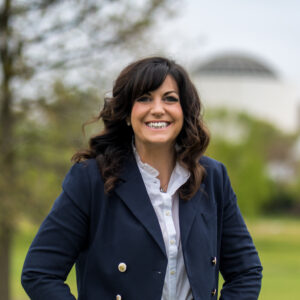
Christine C. Halliday, as the Supervisor of Elementary Core Curriculum at Milton Hershey School, leads the design and implementation of curriculum, instruction, and assessment across pre-K through fourth grade. She works closely with teachers and school leaders to strengthen literacy and math practices, with a focus on the Science of Reading, visible learning, and meaningful, student-centered instruction. Halliday has spent over 20 years at MHS in a variety of roles, including a classroom teacher, science teacher, and instructional leader. She is passionate about supporting educators and ensuring every child experiences success, belonging, and a lifelong love of learning. Outside of school, Halliday is an avid traveler and the proud mother of two children, a daughter, Alana, pursuing a career in law and a son, Connor, interested in following her footsteps into education and coaching.