

Why Career and Technical Education Is Important for Students
By Dan Phillips, Director of Career and Technical Education
What Is Career and Technical Education?
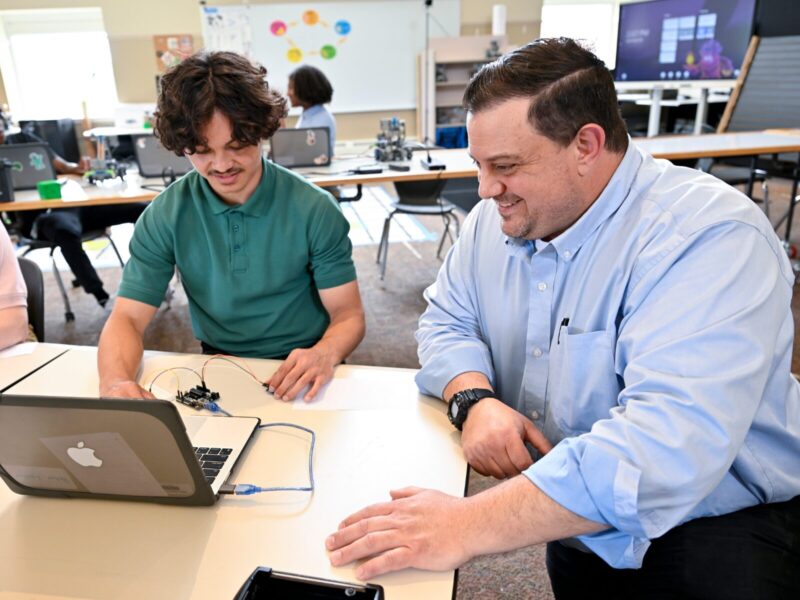
Career and Technical Education, or CTE, connects academic subjects to practical application. Instead of focusing only on theory, CTE programs, like the program here at Milton Hershey School, teach students skills that can be used directly in the workplace. These programs blend traditional academics with hands-on training in fields such as health care, engineering, agriculture, business, and trades. For us educators, understanding why career and technical education is important helps us design meaningful learning experiences that prepare our students for both college and career success.

Why CTE Is Important for Student Success
Educators often ask, “Why is CTE important?” The answer is simple: it helps students gain the knowledge and skills that industries need. Whether it involves operating equipment, managing a project, or working as part of a team, students learn abilities that support future employment. Research from the Washington Education Research & Data Center shows that, on average, students who participate in CTE courses perform better academically and are more motivated to attend school. The hands-on nature of CTE makes learning more engaging and meaningful.
CTE is important because it gives students a clearer sense of direction. Students can identify their areas of interest and plan for their futures with confidence and purpose. When educators provide opportunities for this type of applied learning, they help students connect classroom lessons to the real world.
The Value of CTE for Schools and Educators
For educators and administrators, CTE is important beyond student achievement; it enhances the entire school environment. Schools with strong CTE programs often see improved attendance, higher graduation rates, and stronger ties to their communities. Community partnerships between the school, local employers, and higher education institutions allow students to participate in experiences such as internships, apprenticeships, and project-based learning.
These relationships also benefit teachers by creating direct connections between academic content and workforce needs. Schools, like MHS, who support CTE become valuable contributors to local economic development. By promoting career readiness, educators not only help individual students succeed but also strengthen the workforce that communities rely on. Our Hershey Community Partnerships allow our students to gain authentic work experience with entities such as The Hershey Company and Hershey Entertainment & Resorts.
Are CTE Classes Worth Taking?
Many families and schools ask, “Are CTE classes worth taking?” The answer is absolutely yes! CTE classes provide measurable benefits that continue well beyond high school. Students gain practical knowledge and certifications that open doors to future opportunities. Data from the American Institutes for Research shows that CTE graduates often find jobs more quickly and earn higher wages than graduates who did not take similar classes in high school.
Even for students who plan to attend college, the skills learned through CTE remain valuable. Critical thinking, teamwork, time management, and communication are abilities that all employers seek. CTE gives students the foundation to adapt, solve problems, and succeed in any career path they choose.
How Institutions Can Champion CTE
Schools can strengthen their academic programs by integrating CTE into their broader student experience. This process begins with aligning course offerings to workforce demands and national career trends. Building partnerships with employers and technical organizations ensures that CTE programs remain relevant and effective.
Professional development for teachers is also essential. Educators who understand both academic and hands-on instruction can create lessons that balance theory with practice. Schools that support ongoing training in hands-on teaching methods often see improved student engagement and performance.
Finally, promoting CTE as a core part of your curriculum helps shift outdated perceptions. CTE is important for students because it prepares them for success in both higher education and the workforce. When schools communicate this message clearly, students and families see CTE as a valuable and empowering part of their learning experience, no matter their plan for the future.

Preparing Students for Lifelong Success
Understanding why career and technical education is important for students helps educators design programs that create lasting impact. CTE provides students with the skills, confidence, and experience needed to succeed after graduation. Supporting CTE allows educators to connect learning to purpose and ensure that every student is equipped for the future.
When schools invest in CTE, they invest in student success and community growth. By making CTE an integral part of education, institutions create meaningful opportunities for learners to apply knowledge, build confidence, and prepare for lifelong achievement.
Learn More About CTE at MHSAbout the Author
 Dan Phillips, as the Director of Career and Technical Education, guides CTE instructors in grades 5-12 at Milton Hershey School to provide students with an exceptional experience as they move from exposure to application in their CTE pathways. He has spent over 23 years in education including 10 years as a teacher and 13 years as an administrator overseeing CTE and College & Career Readiness. He also worked in the architecture industry for eight years prior to teaching. Dan and his wife, who works in healthcare, have two adult children and one in high school.