

Understanding Career and Technical Education Programs: What is CTE?
By Dan Phillips, Director of Career and Technical Education
Defining Career and Technical Education
Milton Hershey School parents and guardians often ask, what is a CTE class, and how is it different from a traditional course? Career and Technical Education (CTE) classes combine academic learning with practical, hands-on experiences that help students build skills for the real world. Rather than learning only from books or lectures, students take part in lessons that prepare them for meaningful careers.
CTE connects classroom learning and hands-on experience to future career goals in one of 10 program areas. Students in CTE programs gain confidence, develop useful abilities, and find purpose in what they learn. CTE is designed to prepare students for both college and the workforce by giving them real skills that support success after graduation. At MHS, CTE is a key part of helping students grow into capable and career-ready individuals.
What Makes CTE Classes Unique?
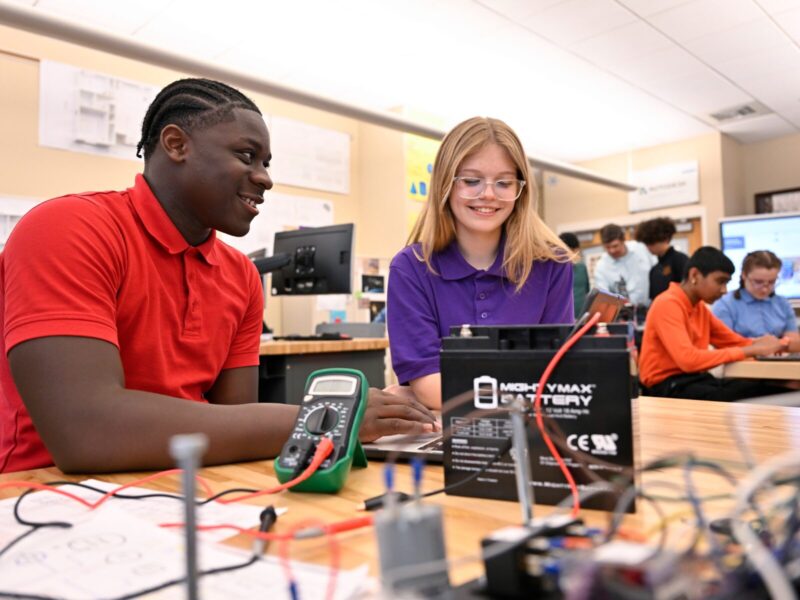
Traditional academics teach students how to think critically, solve problems, and communicate clearly. CTE builds those same skills through hands-on learning that mirrors real workplace settings. In a CTE classroom, students work with tools, technology, or creative projects that simulate the types of challenges professionals face every day.
A CTE class also emphasizes employability skills such as teamwork, leadership, and time management. These lessons prepare students to adapt, take initiative, and handle responsibility. Parents/sponsors can feel confident knowing that CTE strengthens academic learning while preparing students to succeed in college, careers, and beyond.
Examples of CTE Classes
Parents or guardians of students who are new to CTE often ask for examples of classes. These programs cover a wide range of subjects and interests. At MHS, students can participate in courses related to health care, engineering, business, culinary arts, computer technology, agriculture, construction, automotive, education, and public safety.
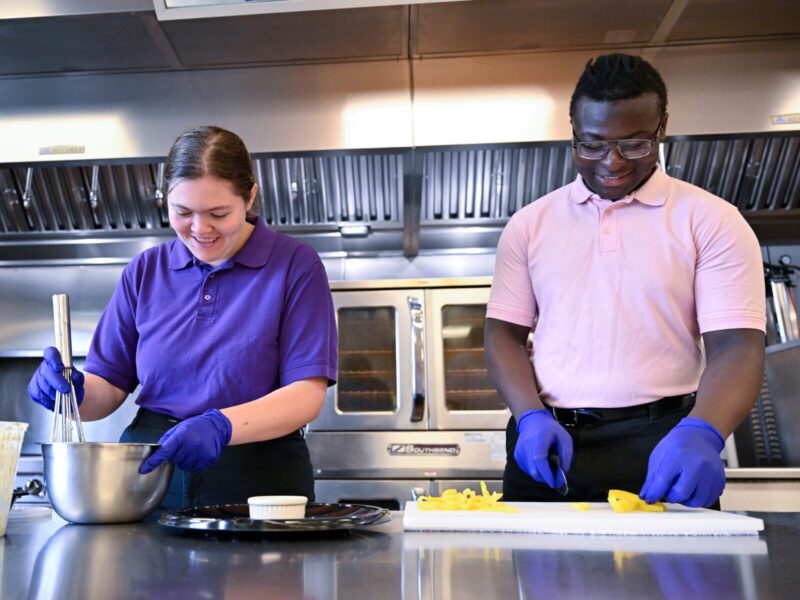
Each of these program areas teaches real, applicable skills. For instance, students in health care classes study patient care and medical safety. Those in construction classes learn to read designs and operate tools safely. In culinary arts classes, students work on food preparation, nutrition, and hospitality management. These experiences help students understand how their lessons in school apply to real jobs and future opportunities.
Why CTE Matters for Students and Families
CTE is important because it gives students motivation and direction. Many students thrive when they can see how their work in the classroom connects to life outside of school. CTE makes learning meaningful by showing students how their efforts lead to tangible outcomes.
Students who take part in CTE programs often show improved confidence, better problem-solving skills, and a stronger sense of responsibility. They learn to meet expectations, manage projects, and work effectively as part of a team. For families, this provides reassurance that their children are not only learning academic content but also gaining real-life experience that prepares them for a future career.
How CTE Supports Future Opportunities
CTE prepares students for multiple paths after graduation. Some students continue onto higher education, while others move directly into the workforce. CTE supports both by helping students gain technical and personal skills that are valued in every profession.
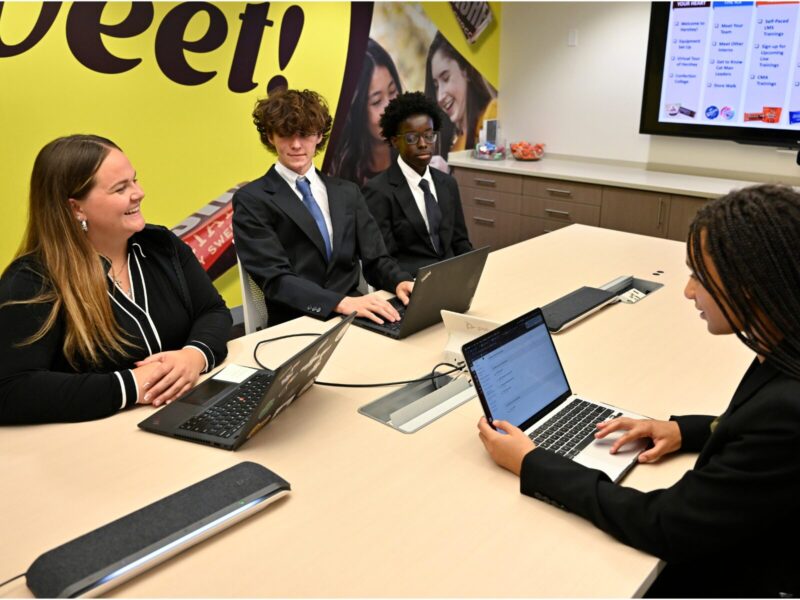
Many CTE programs also allow students to earn certifications that demonstrate their abilities to employers. These credentials, combined with real experience from our community partners, give students an advantage when applying for jobs or college programs. By the time they graduate, students have both academic knowledge and hands-on skills that set them apart.
Empowering Students Through Education
The MHS CTE program supports the whole child. It prepares students for success not only in their first job but throughout their lives. CTE builds confidence, independence, and resilience.
CTE helps students connect what they learn in the classroom to their goals for the future. When our parents/sponsors and instructors work together to support this type of learning, students benefit from a clear path toward achievement. CTE equips your children with the skills and mindset to succeed in college, in their careers, and in life.
Learn More About Career and Technical EducationAbout the Author
 Dan Phillips, as the Director of Career and Technical Education, guides CTE instructors in grades 5-12 at Milton Hershey School to provide students with an exceptional experience as they move from exposure to application in their CTE pathways. He has spent over 23 years in education including 10 years as a teacher and 13 years as an administrator overseeing CTE and College & Career Readiness. He also worked in the architecture industry for eight years prior to teaching. Dan and his wife, who works in healthcare, have two adult children and one in high school.