

Milton Hershey School Learning Assistant Shares Tips for Helping Reluctant Readers
By: Katelyn Talmadge, Elementary Division Learning Assistant Teacher
Most of us have been there. It’s getting later and later at night. We’re trying everything we can to have our son or daughter read for a few minutes before bed. Meanwhile, our children are—quite creatively— doing anything possible to avoid reading. They’re hiding under the covers, getting a snack, building a fort with couch cushions, brushing their teeth for 10 minutes—effectively doing whatever they can think of to run out the evening clock. It is such a frustrating experience for well-intentioned parents—but it might be equally excruciating for our kids. So, what can be done to help these reluctant readers? And is reading really worth all this effort?
As an elementary teacher and learning specialist, I can assure parents that reading is indeed well worth the effort. Reading is truly foundational for learning and opens up a world of possibilities for kids. Reading boosts cognitive development, improves academic performance, and strengthens social emotional learning skills. Even reading for 15-20 minutes a day will expose children to about two million words per year. We know from studies that more reading correlates to better grades, higher test scores, and fewer behavioral issues. The numbers and research are crystal clear.
All that said, I can also sympathize and understand that sometimes the effort it takes to get kids on board with reading feels enormous, especially with some children who would rather do seemingly anything else in the world. As we celebrate literacy and invite children everywhere to explore the power of reading, let’s work through some solutions together.
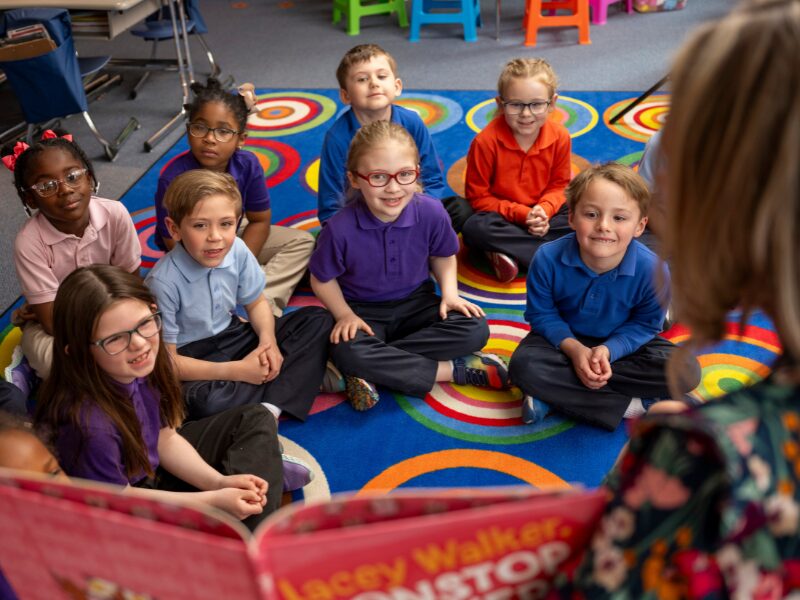
First, it’s important for parents to avoid blaming kids or getting upset with them if they’re unwilling to read. There are often good reasons why kids don’t enjoy reading. For instance, they may not be confident to read aloud to their peers, or it may cause them nervousness or anxiety in the classroom setting. Nobody likes feeling awkward or uncomfortable and children can be very sensitive emotionally to these associations around what others think or imply.
It’s also true that some kids face an undiagnosed learning disability that can make reading difficult. Dyslexia, for example, is more common in kids than many believe, affecting as many as 15% of children. Signs include difficulty sounding out words or omitting them altogether from sentences, reversing letters, slow reading, poor comprehension, and trouble rhyming. If you sense this is the case with your son or daughter, it’s best to talk to your child’s pediatrician or teacher as early as possible. Schools do offer extra reading support for kids who need it, but to be most helpful, this support should be phonics based. I encourage you to continually advocate for your child and keep communication open with teachers and your school.
Before I list out some tips, here’s another point that I’d like to stress: We all need to know that with reluctant readers, traditional “parenting” rules might not work. You can’t just tell kids to read like you tell them to take out the trash. Reading shouldn’t be a directive or a chore, but an engaging activity. With that in mind, here’s a list of ways to get children who are reluctant readers to actually read.
Tips to Help Reluctant Readers
Be a Model
Show kids that taking time to read is valuable and enjoyable. Ask your child to join you when you are reading, have them read a book of their own, or read one together. Creating dedicated opportunities for leisure reading offers a low-stress environment to encourage reading. Let’s be honest: If your child never sees you reading, they’re not going to think it’s fun or important. Set the best example you can and take time to read yourself.
Change Up the Schedule
Bedtime reading can help settle down younger children, but older kids might be tired from the day, particularly if they play sports or have a later starting time for school. If this is the case, try reading with your kids in the morning—something that’s a lot better for their brains than time on electronics.
Find a Different Space
There’s this idyllic image we might have in our heads of kids reading in their beds. Try something different. Create a reading nook or read in a hammock outside.
Use a Silly Voice
Reading should be fun, so make it an experience. Have you ever tried reading in the voice of SpongeBob? How about Sven? Alvin the Chipmunk? Try it with your kids and see what they come up with.
Make Use of Environmental Print
Point out words and signs in your daily life. Encourage your child to read menus, billboards, and street signs. Ask your child to “lead the way home,” reading each street sign as they direct you. This shows that reading is a part of their everyday life. Kids need to see the reason why reading matters.
Involve Rewards Naturally
Instead of unrelated prizes, connect rewards to reading itself. This could mean staying up a little later to finish a chapter, visiting a bookstore/library once your child completes a book, or watching the movie version after reading the story.
Redefine What it Means to Read
Encourage your child to explore all types of reading. This can include side by side reading with a friend or sibling, listening to audiobooks, digital stories, reading illustrations, watching animated story videos (like Vooks), or using apps such as Novel Effect that add sound effects to stories. This shows your child that reading doesn’t have to look one certain way and can fit what they like.
Offer Choice and Mentorship
Introduce your child to different types of texts, graphic novels, magazines, picture books, book series, and digital options like the Epic app. Let children lead the way based on their interests. If your son loves soccer, help him find books about Lionel Messi or Lamine Yamal. If your daughter loves music, pick out books about Taylor Swift or Beyoncé. Biographical books are often simply written but incredibly educational, offering a really nice mix of what you want as a parent and what a child wants to learn. Provide mentorship when kids are considering these book options to make sure they are not above their reading level.
My parting advice is to keep trying, inviting, encouraging, and putting in your best effort. I feel confident that the payoff you and your child earn will be life changing.
Read More MHS Thought Leadership