

Essential Student Leadership Skills for Success
By Dave Barnes, Director of Home Life Services
In today’s dynamic, educational landscape, developing student leadership skills is paramount for both personal and academic achievement. These skills empower students to take initiative, collaborate effectively, and inspire their peers, preparing them for success after graduation. At Milton Hershey School, we emphasize the dynamic influence of effective student leadership, equipping our students with three key components they need to thrive. I’ve helped to implement various methods for developing leadership skills in students as the director of home life services. Every year, we witness how these skills bring success to our alumni after graduation.
Understanding Student Leadership
Student leadership is demonstrated by students who take initiative, guide their peers, and foster positive change within their school and communities. This form of leadership extends beyond formal positions like class president or club leader—it includes anyone who motivates others, advocates for significant causes, or contributes to a collaborative environment. We believe it’s important to foster leadership skills in every MHS student.
The importance of student leadership in personal development cannot be overstated. Engaging in leadership roles helps students build essential skills such as communication, teamwork, and critical thinking. These skills not only enhance their academic performance but also prepare them for future challenges in higher education and the workforce. By navigating responsibilities and making decisions, students learn to manage their time effectively and develop a sense of accountability.
Moreover, student leaders play a vital role in shaping the culture of our school. They act as role models, creating a positive school environment and inspiring their younger peers to get involved. Through initiatives like community service projects or organizing events, student leaders foster a sense of belonging and collaboration among their classmates.

Key Leadership Skills for MHS Students
The school has identified the three most important leadership skills for student success.
- Communication skills and effective listening: Good leaders must articulate their thoughts clearly and inspire others with their words. Equally important is the ability to actively listen. This means not only hearing what others say but understanding their perspectives and feelings, which creates an inclusive sense of belonging.
- Critical thinking and problem-solving abilities: Leaders often face challenges that require innovative solutions. By cultivating critical thinking, students learn to analyze situations, evaluate options, and make informed decisions. This skill encourages a proactive approach to avoiding or overcoming obstacles, which is invaluable in both academic settings and real-world scenarios.
- Teamwork and collaboration techniques: Understanding how to work cooperatively with others, leveraging each team member’s strengths, and building consensus are key components of successful group dynamics. Leaders who excel in teamwork can motivate peers, manage conflicts, and drive collective efforts towards common goals, ensuring everyone feels included and valued.

How MHS Develops Student Leadership Skills
MHS strives to develop those three essential leadership skills in every student through a variety of activities.
Student Organizations and Clubs
One effective way to enhance these skills is by participating in student organizations and clubs. These groups provide a platform for students to take on roles that require teamwork, decision-making, and communication. Whether it’s leading a project, organizing an event, or collaborating with peers, these experiences foster essential leadership qualities for students that carry into real-world success.
One of these organizations I’ve worked with at MHS is Scouting America. Student leadership is a large focus of the program, and each student serves in one of many leadership positions, such as senior patrol leader, chaplain aide, quartermaster, and scribe. These roles require the scouts to plan activities, manage group dynamics, and make decisions, building confidence and responsibility.
Community Service
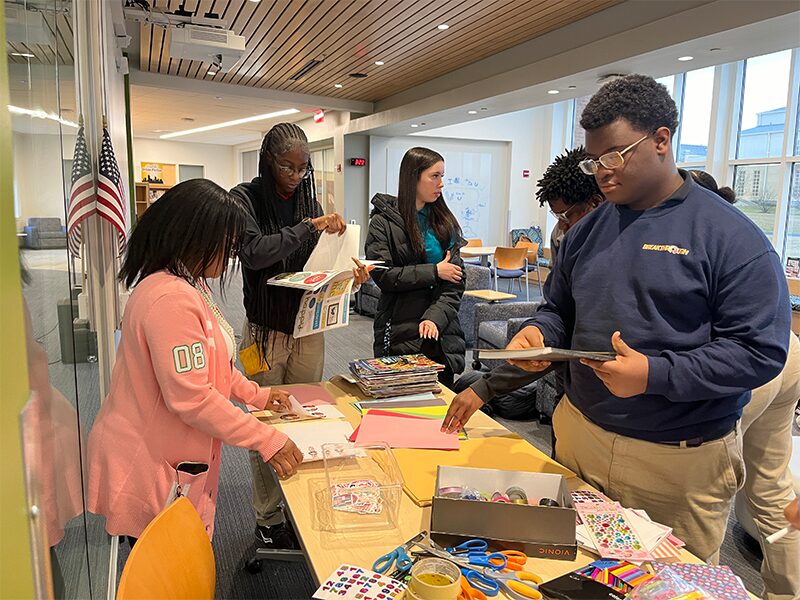
Engaging in community service and volunteer opportunities is another impactful method for cultivating leadership skills. When students participate in volunteer work, they learn to empathize with others, understand the importance of civic responsibility, and develop the ability to motivate and inspire their peers. These experiences not only contribute to the communities they serve but also help students to grow as leaders by identifying real-world challenges and finding solutions.
Students at MHS participated in over 46,000 hours of community service during the 2024-25 school year, benefiting various organizations such as the Central PA Food Bank, Feed My Starving Children, and the Humane Society of Harrisburg Area.
Mentorship
Additionally, seeking mentorship and guidance from MHS staff or other community volunteers can play a vital role in developing leadership skills in students. Adult leaders can provide invaluable insights and feedback, helping students to identify their natural leadership style, their strengths, and areas of development. A supportive mentor will encourage students to step out of their comfort zones, take initiative, and pursue leadership roles.
The Mentoring Our Leaders Development Program (M.O.L.D. Program) at MHS has been a great opportunity for me to mentor several high school students. This program has allowed me to build relationships with students that last well beyond graduation.

The Benefits of Strong Leadership Skills in MHS Students
Strong leadership skills play a vital role in enhancing academic success, career readiness, and personal growth at MHS. By taking on leadership roles, students develop the essential skills that appeal to future employers. These experiences also encourage resilience and a growth mindset, helping students navigate challenges with a positive attitude. Moreover, student leaders foster inclusive, supportive environments by inspiring peers and promoting teamwork, ultimately contributing to a stronger sense of community across campus.
Furthermore, being part of supportive networks and communities, like the MHS Alumni Association, can greatly benefit student leaders. Engaging with peers who share similar backgrounds and aspirations can provide encouragement and valuable insights. These networks often include mentorship opportunities, where experienced leaders can share their knowledge and experiences, helping students and alumni to navigate their own leadership journeys. By tapping into these resources, MHS students and alumni can build a strong foundation for their leadership development.
 About the Author
Dave Barnes, as the Director of Home Life Services at MHS, works to train and support MHS houseparents, who help instill leadership values into the students they serve. He has spent over 21 years working with scouting programs, including organizing the MHS Boy Scout and Girl Scout troops, and over 30 years volunteering with other youth mentorship groups. In past roles, he has served as president of a tech company, an entrepreneur, and an MHS houseparent. Dave is the proud father of four adult children and grandfather of seven.