

The First Four Boys at Milton Hershey School
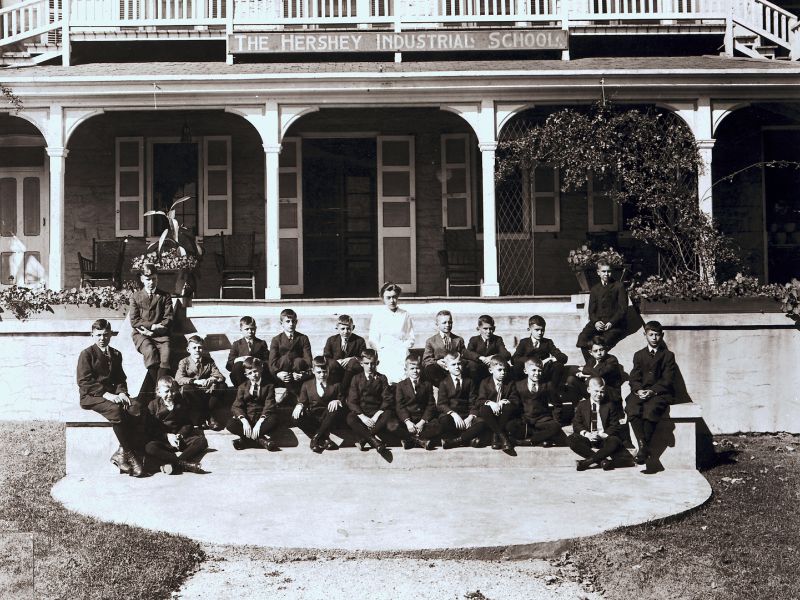
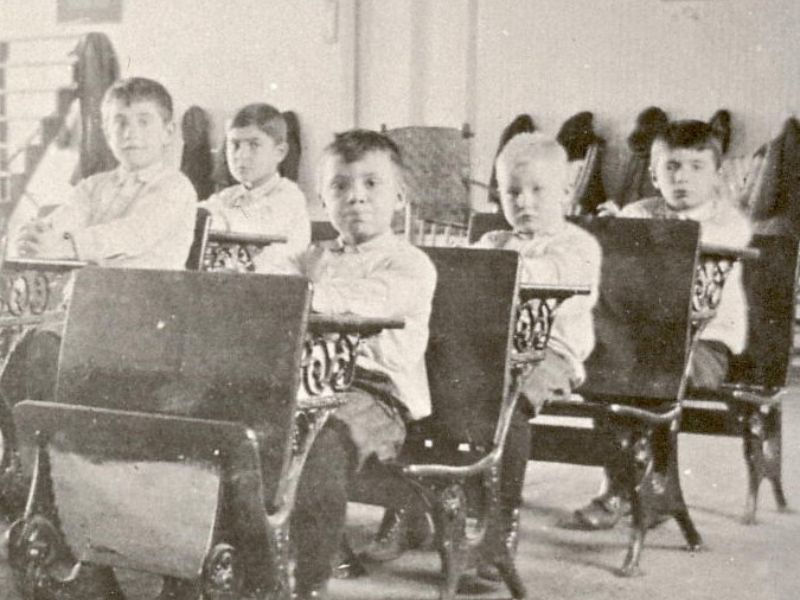
In the fall of 1910, the Hershey Industrial School welcomed its first students to the Hershey Homestead, making Milton and Catherine Hershey’s dream a reality. The school was originally intended to provide a stable home and education for orphaned boys ages 4-8.
The first boys to arrive were brothers Nelson and Irvin Wagner. After their father’s death, their mother struggled to support six children on her own. When her brother read a newspaper announcement about the planned school, he wrote in on her behalf. After an interview, Nelson and Irvin were accepted and arrived at the school in early September 1910. Their younger brother, William, was too young to enroll and joined them two years later, when he turned four.
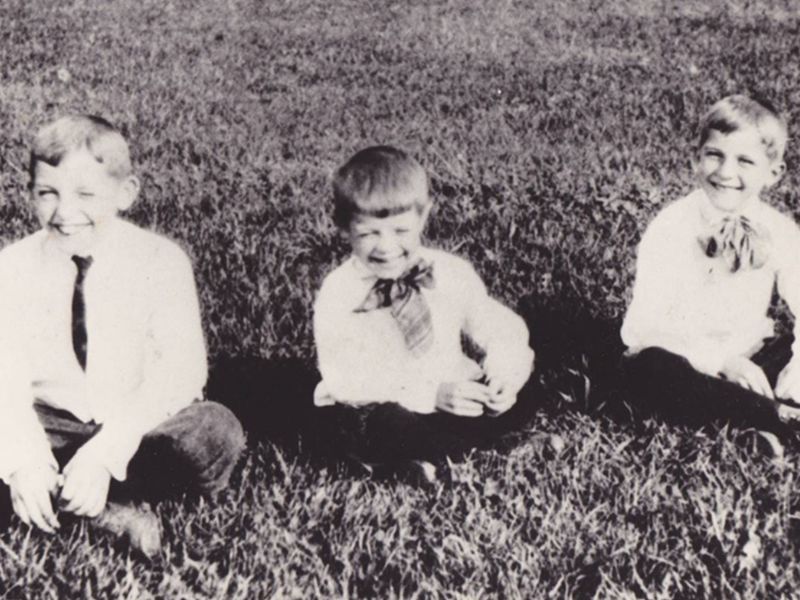
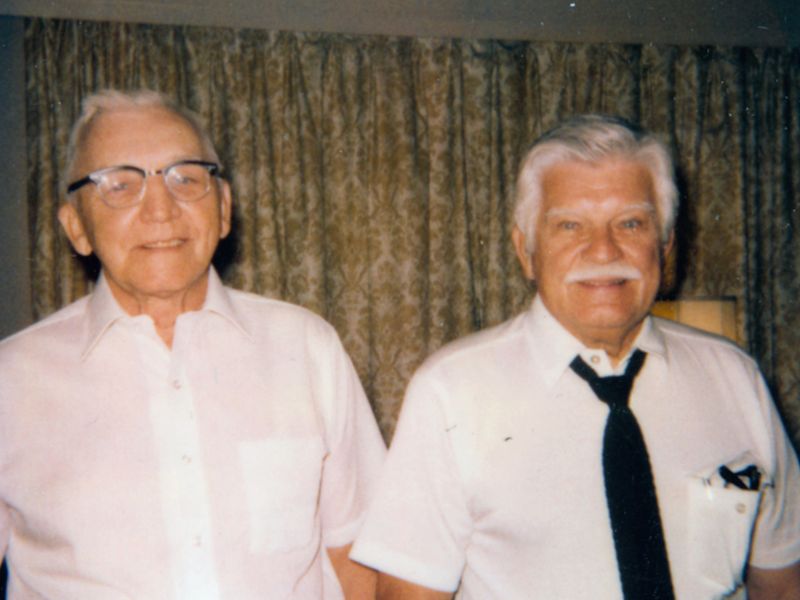
“When I first came,” recalled Nelson Wagner, “I can remember that, when my mother walked out the walk to go home, I cried terrifically. But, after she had left, there were so many things to see! Well, you could not get homesick.”
Just a few days after their enrollment, the Wagner brothers were joined by another set of brothers, Jacob and Guy Weber. Like the Wagners, the Webers had also recently lost their father. Their mother worked in a shirt factory to support her children while also battling diabetes, a disease for which no insulin treatment yet existed. Frequent illness made steady employment difficult, and the new school offered opportunities she could not provide on her own.
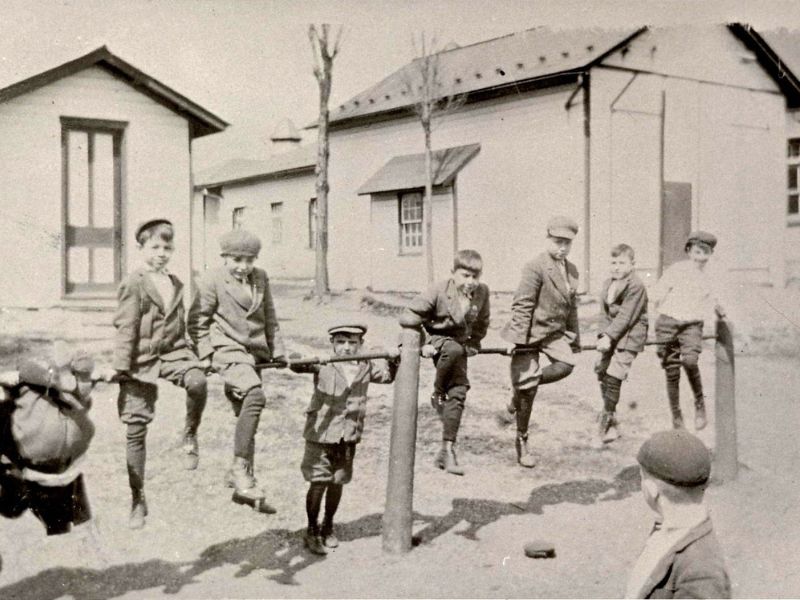
While remembering his mother, Jacob Weber reflected, “She earned about a dollar a day, and could not afford to come often to see us…She had diabetes. They used to bring work to her from the factory when she could no longer go to the factory herself. This was just before the insulin treatment came out. She died the year I left the school, in 1921.”
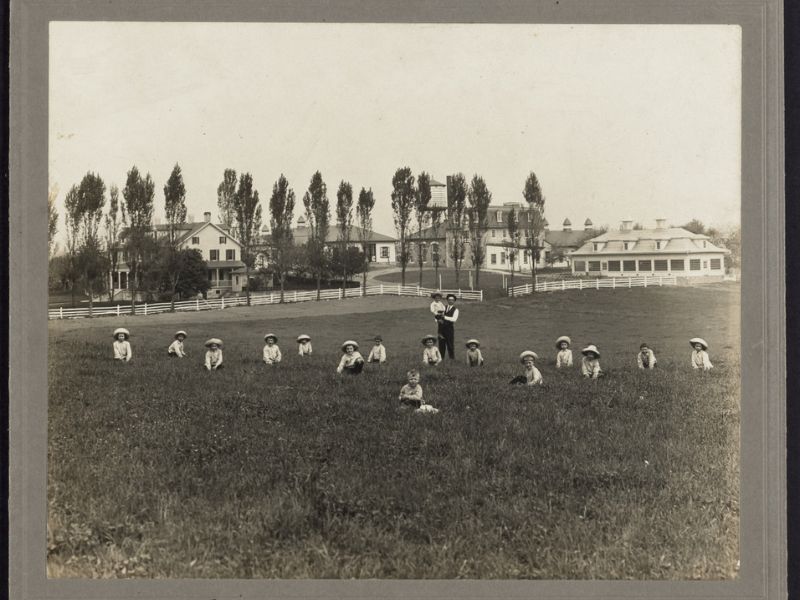
Together, these four boys were the first to call the Homestead home. Arriving at the school amid loss and uncertainty, they found themselves in a unique experiment. The Homestead was significant for Milton S. Hershey as the place where he was born, where he developed his milk chocolate formula, and now the home of his boys.
In those early days, the boys looked to George and Prudence Copenhaver as the guiding force of their new family. They also came to know Mr. Hershey, who visited often. While he was not one for grand speeches, he could be counted on for a ride with his chauffeur in the Packard.
 Although Catherine struggled with her health, she still invited the boys once a year for breakfast at High Point and remained deeply involved in their daily lives and welfare. Milton’s mother, Fanny, whom the boys affectionately called “Mother Hershey,” had a soft spot for the boys, and the feeling was mutual.
In a letter to the school, Guy Weber recalled, “Most of us knew his mother very well and loved her a great deal. She would often come out to see us and bring us chocolate…”
For the first four boys, life at the school offered experiences that once seemed out of reach. They explored the outdoors, trapped and fished in the creek, worked on the farm, and learned trades, enjoying a childhood that mirrored many of Milton Hershey’s formative experiences. What began as a difficult departure from home became the start of new possibilities.
Much of what we know about the early years at the Homestead comes from interviews our first boys conducted decades after their departure. They reflect on the feeling of family and the career opportunities they pursued because of their time at the school.
Milton Hershey remained invested in their futures long after their arrival. Working closely with Mr. Copenhaver, he followed the boys’ progress and helped ensure they were prepared for life after graduation. In 1938, reflecting on the school’s mission, he explained:
“You see, we follow the boys through until we see that they have jobs…Most of them have better chances for character building and education than ever before.”
The lives of those first boys reflected that promise. Nelson went on to work at the Hershey factory, and Irvin served in the U.S. Army. Their younger brother, William, became one of the first Hershey Industrial School students to graduate from Hershey High School, attend college, and build a successful career in industrial engineering. In 1960, he was named a Milton Hershey School Alumnus of the Year. Jacob Weber became an electrician for Hershey Estates, now called Hershey Entertainment and Resorts, a trade he learned at school. Guy Weber left to work for Mr. Hershey in Cuba for 7 years, returned, and took a job with the Hershey Lumber Company.
What began with four boys walking through the doors of the Homestead in 1910 marked the beginning of a school that would impact thousands of lives. Their experiences laid the foundation for everything that followed.
Read More About Our History