

How Milton Hershey School Prepares Houseparents to Succeed
By Katherine Adame, MHS Supervisor of Home Life Development & Social Emotional Learning
At Milton Hershey School, houseparents are married couples who live in student homes and work together to provide students with daily care, guidance, and support.
One of the most common misconceptions I hear from people considering becoming houseparents is that they need to arrive with every skill already mastered. The truth is that they don’t.
Over the past seven years, I’ve helped train new houseparents at MHS. Before that, my husband and I served as houseparents for eight years. Through those experiences, I’ve worked with hundreds of houseparents from a wide variety of backgrounds. Some came to MHS with experience working with children. Others brought experience through volunteer organizations or entirely different careers. What they all had in common was a desire to support and guide young people. That’s what matters most.
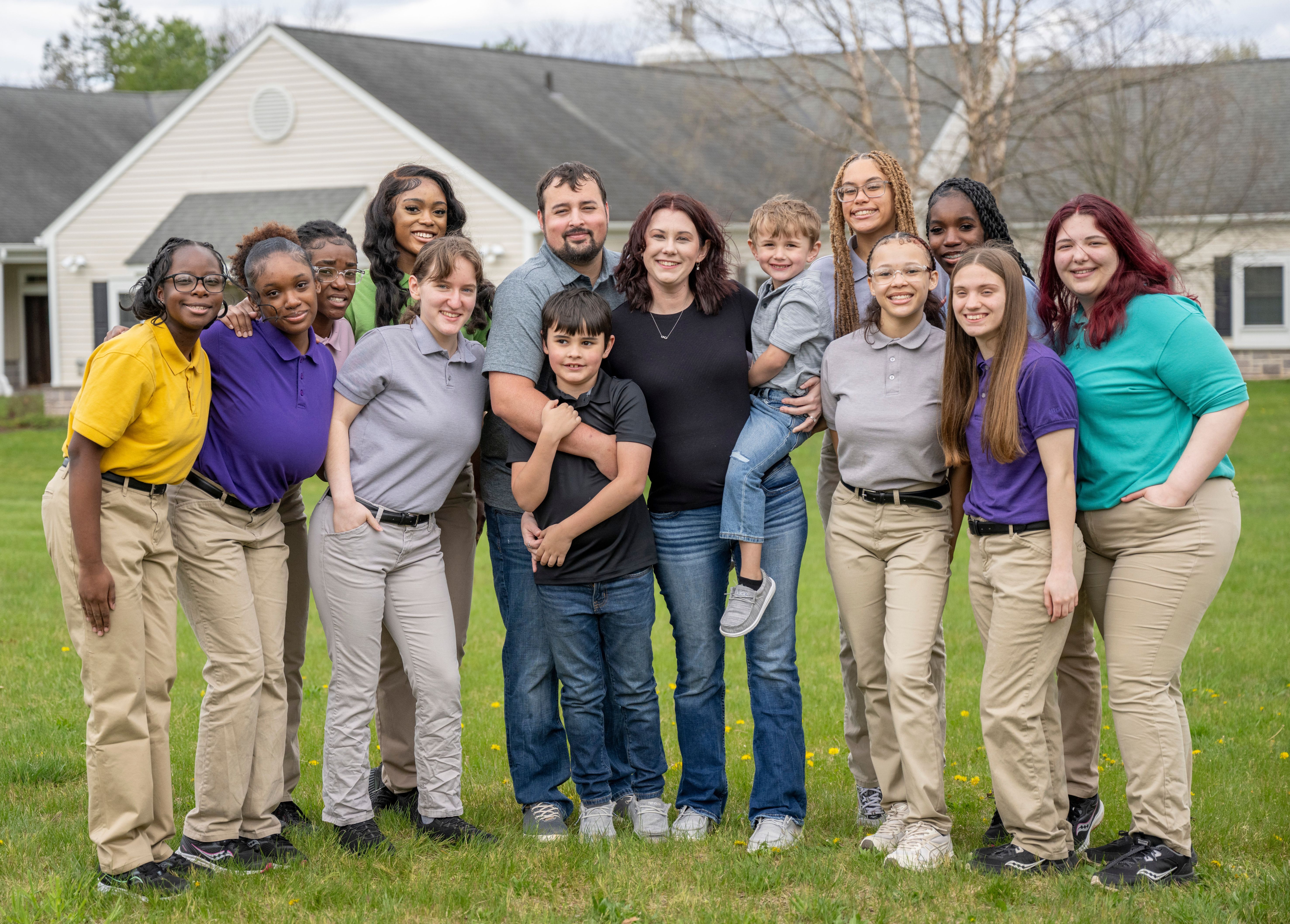
When we hire houseparents, we’re not looking for people who already know everything. We’re looking for people who are committed to our mission and willing to learn. From the moment new houseparents arrive on campus, we begin providing the training, coaching, and hands-on experiences they need to succeed.
Learning Begins on Day One
At MHS, new houseparents start their journey as part of a cohort of fellow new hires. During our onboarding and orientation process which lasts between four to five weeks, couples learn together through classroom instruction, experiential activities, role-playing, coaching, and real-world practice. We intentionally approach adult learning the same way we want houseparents to support our students: with patience, encouragement, and a growth mindset.
I often remind new houseparents that if they don’t know how to do something today, it simply means they don’t know how to do it yet. Our goal is to help the couples build skills and confidence over time while modeling the same supportive approach they’ll use with students.
Training That Goes Beyond the Classroom
Much of our training is hands-on because that’s often the best way to learn.
For example, houseparents receive driver training using the same large passenger vans they’ll use to transport students. They practice navigating obstacle courses, parking, reversing between vehicles, and learning important safety procedures before ever transporting students.
But driving is only one piece of the training experience.
Houseparents also participate in:
- First aid and CPR certification
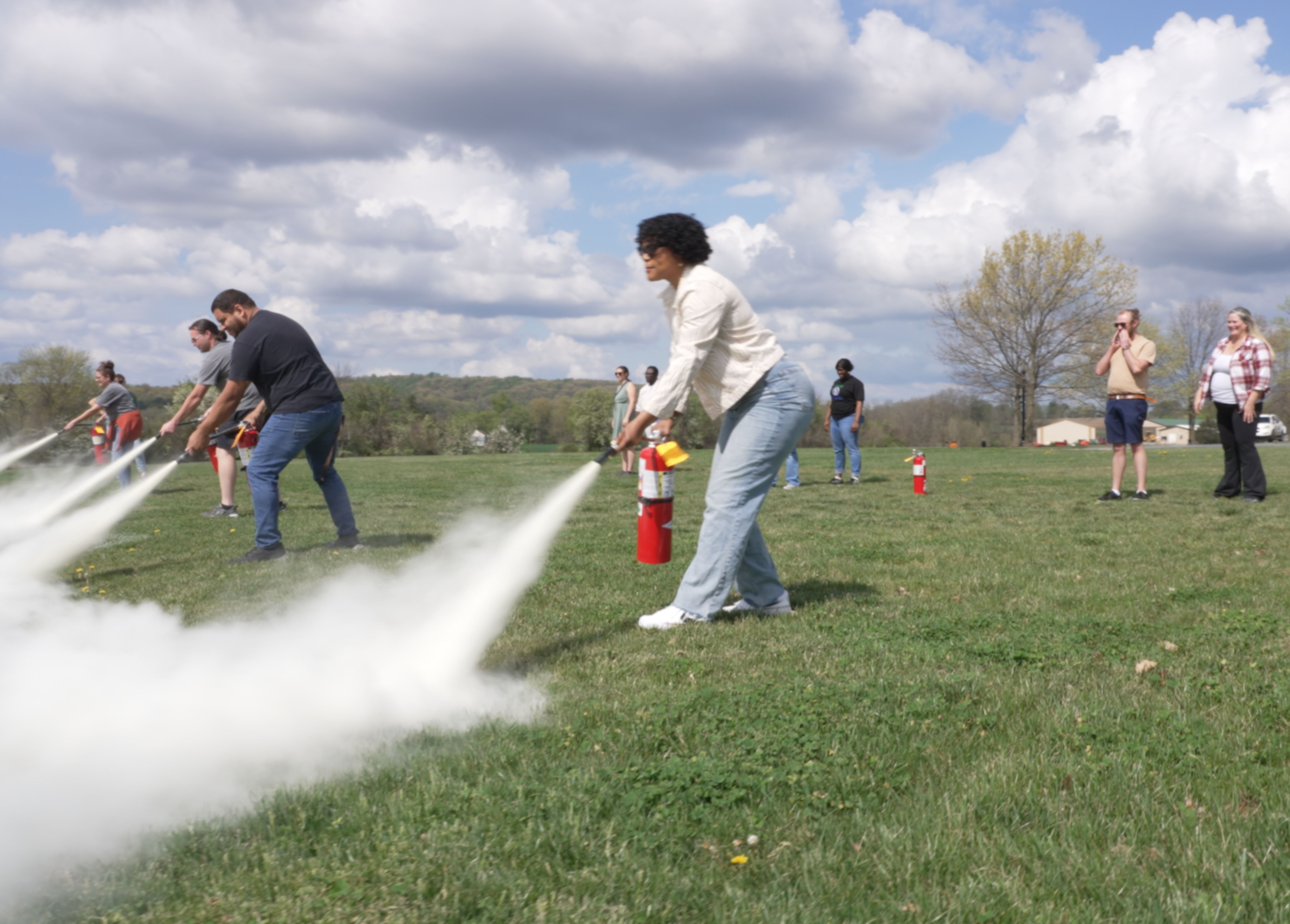
- Fire safety training, including fire extinguisher use
- Student home building and maintenance training
- Social and emotional learning instruction
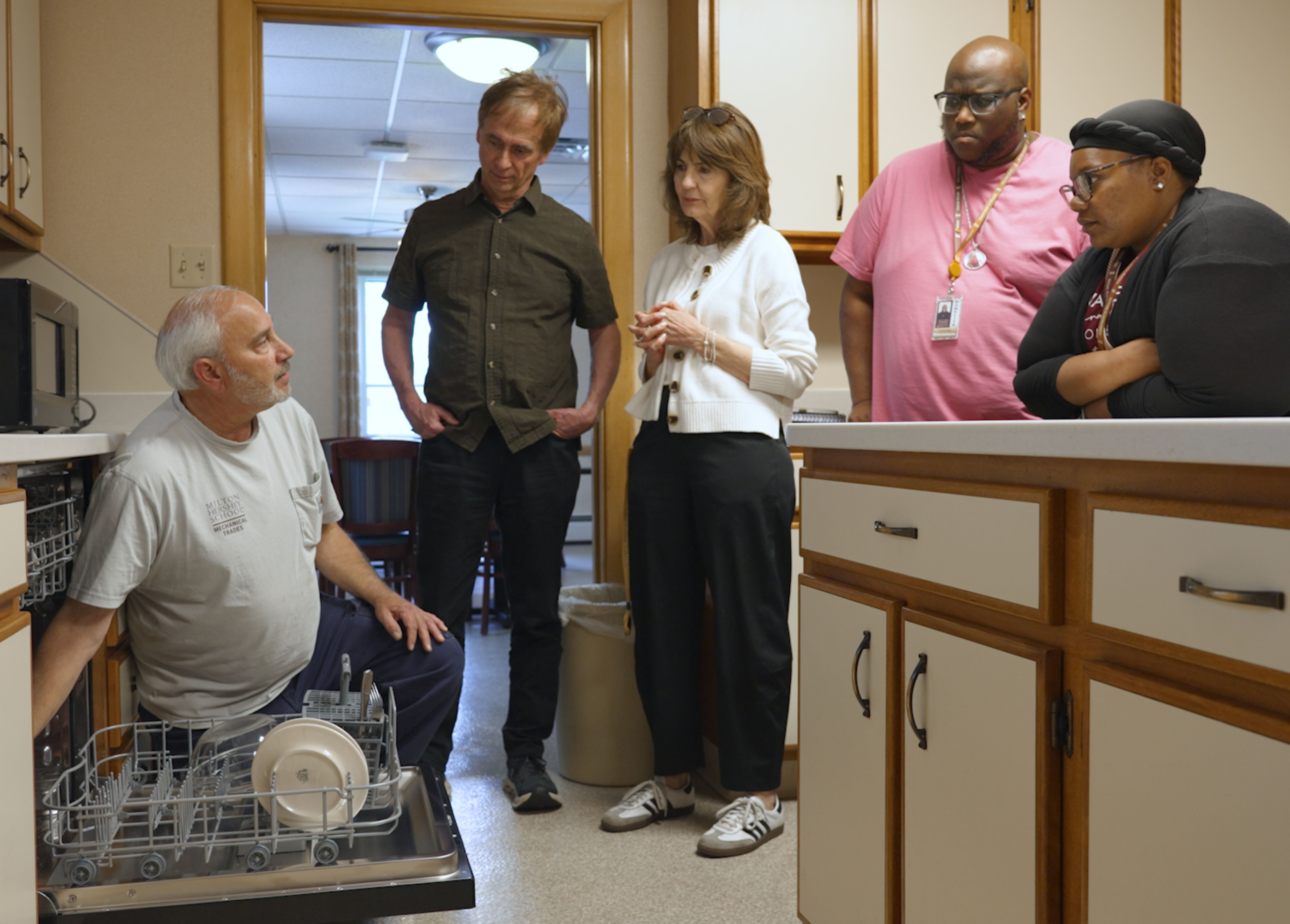
- Meal preparation and household management experiences
- Real-life simulations
- Shadowing experienced houseparents in student homes
Not everyone arrives knowing how to operate a snow blower, mow a lawn, maintain household systems, or drive a large passenger van. That’s okay. We teach those skills. Our trainers and experienced houseparents walk alongside new staff every step of the way.
Learning From Experienced Houseparents
Some of the most valuable training happens inside our student homes.
New houseparents work alongside experienced houseparents who serve as mentors, providing guidance, feedback, and support as they learn the role. They have opportunities to observe everything from leading devotions and facilitating social and emotional learning activities to building relationships with students through everyday interactions.
These experiences allow new houseparents to see firsthand what successful student support looks like while giving them opportunities to practice and grow in a supportive environment.
A Culture of Continuous Growth
One of the things I appreciate most about MHS is that training doesn’t end when onboarding is over. Houseparents continue learning throughout their careers. We offer ongoing development opportunities almost every Wednesday, with training tailored to different experience levels.
We also recognize that questions don’t only arise during training sessions. That’s why houseparents have ongoing access to trainers and other support resources whenever they need guidance.
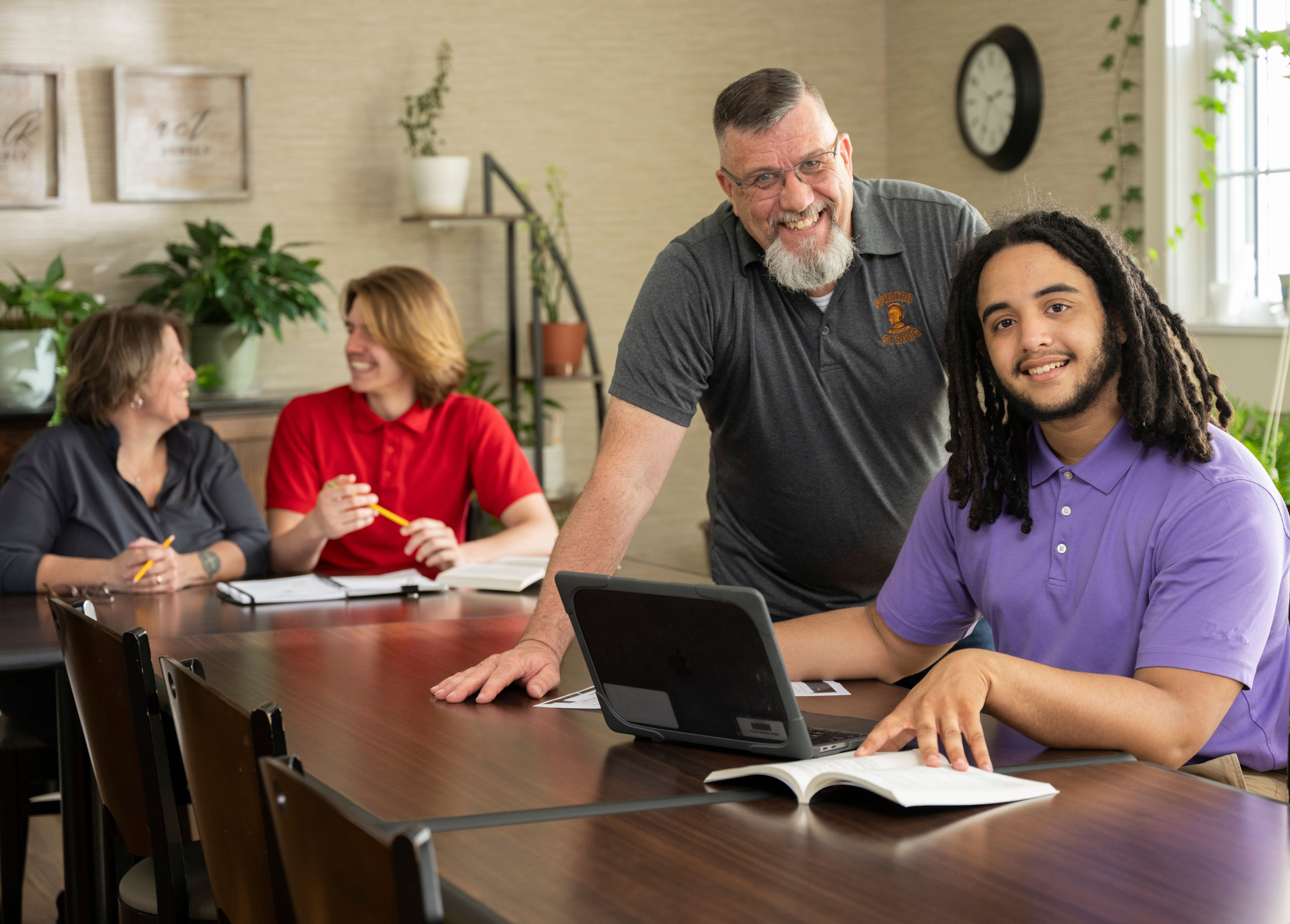
Our goal isn’t for someone to walk out of training knowing everything. Our goal is for them to leave with the knowledge, tools, and confidence to keep learning and applying what they’ve learned in real-life situations.
If You’re Willing to Learn, We’re Ready to Teach
As a former houseparent, I understand that stepping into this role with your spouse can feel both exciting and intimidating. But I also know that no one succeeds alone.
At MHS, you’ll join a community that is deeply committed to growth, learning, and supporting one another. We invest in training because we believe our houseparents deserve the preparation, resources, and encouragement necessary to thrive.
If you’ve hesitated to apply because you thought you or your spouse don’t have every skill required, I’d encourage you to think differently. You don’t need to arrive knowing everything. You simply need the desire to learn, the willingness to grow, and a commitment to helping students succeed.
We will help with the rest.
Check Out the Qualifications to Become Houseparents Learn More About Houseparenting at MHS