A History of Music at Milton Hershey School
Early Beginnings: Music Takes Root (1910s)
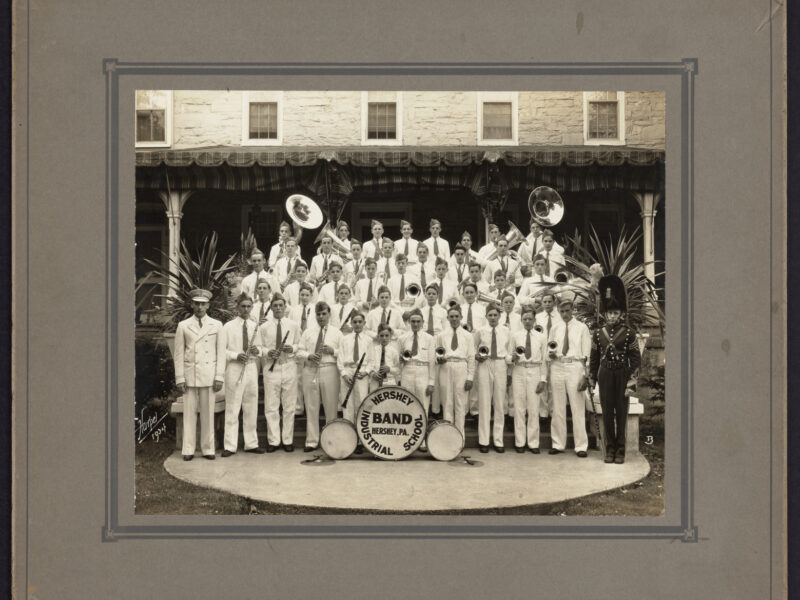
The roots of music at Milton Hershey School trace back to 1914, when Mr. Feese, director of the well-known Hershey Band, began visiting campus to teach students to play instruments. He supplied the equipment himself at first. But when Milton Hershey noticed the students’ enthusiasm, he had instruments purchased outright for the School, cementing music as part of campus life.
The Glee Club and Spartan Orchestra Emerge (1930s)
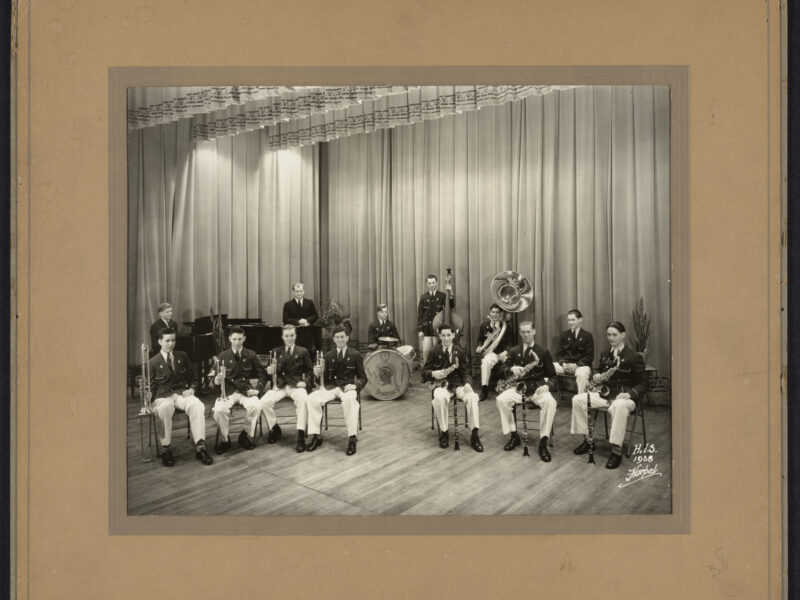
The Glee Club was founded in 1935, shortly after the opening of Old Senior Hall, and quickly became one of the School’s most visible and beloved organizations. Alongside the Spartan Orchestra, the Glee Club gave the School a musical identity that extended well beyond campus. The group toured widely, performing concerts throughout the region, and it built a reputation strong enough to be crowned state champion three years running, from 1939 to 1941.
Virgil Alexander and a Golden Era of the Glee Club (1950s-1980s)
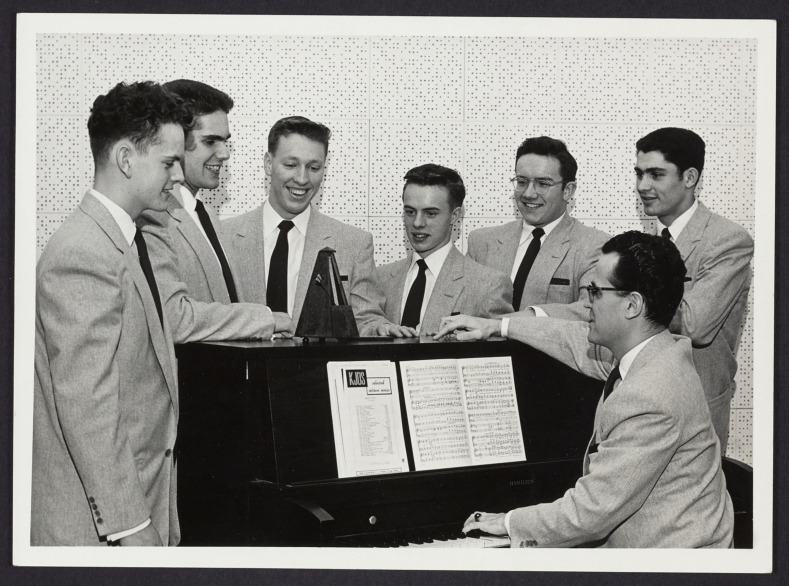
The person most associated with the Glee Club’s rise to prominence was its longtime director, Virgil L. Alexander. Alexander led the group for decades, and under his direction the Glee Club became known as one of the School’s great “traveling ambassadors.” Alumni who sang under him recalled him still leading the ensemble a quarter-century into his tenure, a testament to how central he’d become to the School’s musical life.
The Glee Club was a fixture of major school occasions. When the School held its first-ever Parent Weekend in 1950, the Glee Club performed alongside the Spartan Orchestra and school choir as part of the Senior Division show. Recordings made under Alexander’s direction give us a glimpse of the repertoire at the time and include “Song of Friendship,” “Halls of Ivy,” “Hunting Song,” and the Milton Hershey School Alma Mater.
A New Name, A New Alma Mater (1950s)
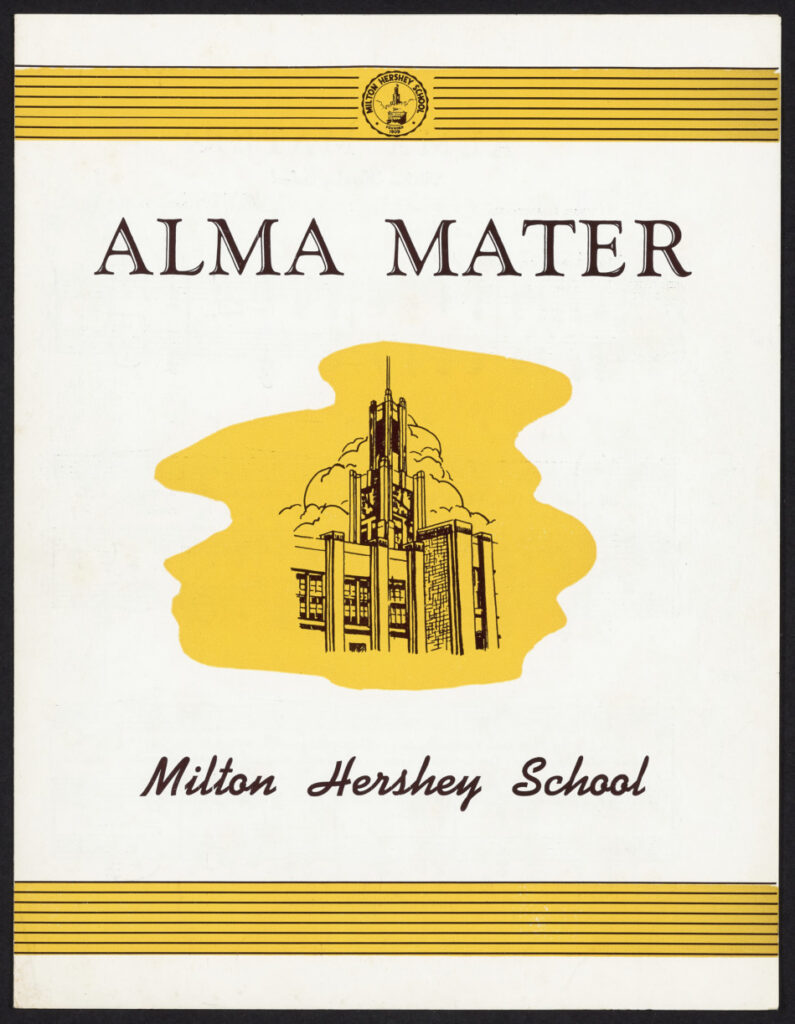
When the School’s name changed in 1951, the original Alma Mater, written by Robert Evans ’32 and sung to the tune of “Anchors Aweigh,” was eventually replaced to better reflect the new name. In 1956, a committee unveiled a new version, with music by Purnell Payne adapted from Beethoven and lyrics by Virgil Alexander.
The 1956 Alma Mater has been revised only once to reflect the 1976 update to the Deed of Trust, making way for the enrollment of female students.
New Horizons, New Traditions (1980s-Present)
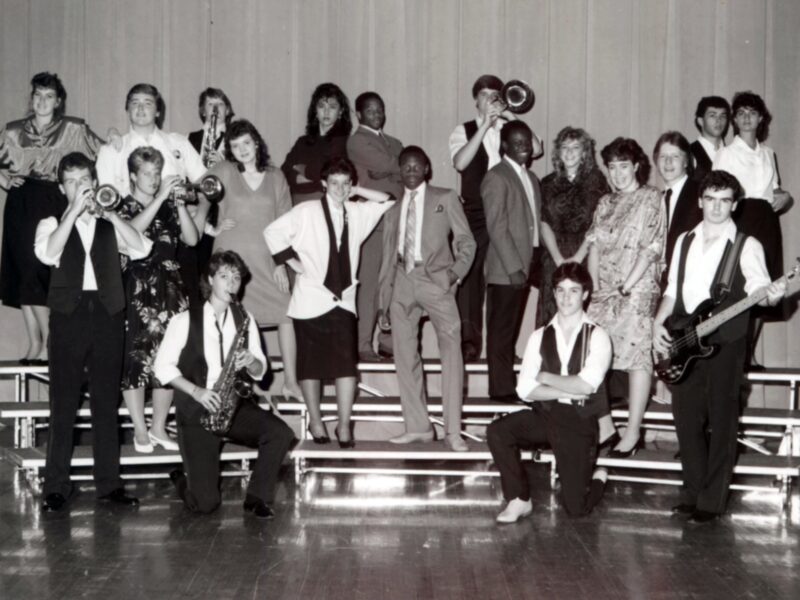
In the decades following, the School’s music program continued to grow alongside the student body, expanding into the many ensembles that make up Visual and Performing Arts today. Among them is New Horizons, the School’s vocal group, which by the late 1980s had already made “The Candy Man” its signature number and has carried that tradition into the present, performing at School assemblies and public events such as a welcome celebration for Paul McCartney. Alongside groups like Marching Band, Gospel Choir, and Varsity Chorus, New Horizons remains part of a music program that continues to give students a public stage and a lasting connection to their alma mater long after graduation.